Honeywell Thermostat Manual: 2026 Setup & Smart Features
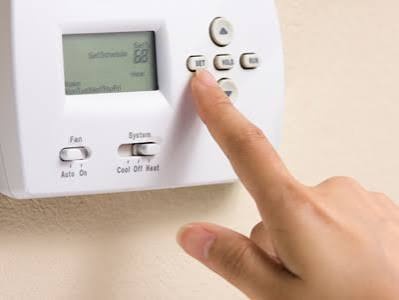
A thermostat may look simple, but modern heating and cooling controls have become increasingly sophisticated. From programmable schedules to smartphone access and smart-home integration, today's thermostats can do far more than simply raise or lower the temperature. For homeowners, understanding how to configure these controls correctly can improve comfort, reduce unnecessary HVAC operation, and make troubleshooting easier.
That is why keeping the correct honeywell thermostat manual available is useful. Different Honeywell Home models have different menus, wiring configurations, programming options, and installation requirements. Resideo, the company behind Honeywell Home thermostats, provides model-specific user guides and manuals through its official support center.
Why the Correct Thermostat Guide Matters
One of the biggest mistakes homeowners make is assuming that every thermostat operates in the same way. A basic programmable model may rely on physical buttons, while a newer smart thermostat can include a touchscreen, mobile application, Wi-Fi connectivity, sensors, and automated scheduling.
The correct guide explains the functions specific to the installed model. It can help homeowners understand temperature settings, system modes, fan controls, schedules, alerts, and other features without relying on instructions intended for another device.
This distinction becomes particularly important during installation or replacement. Resideo provides a thermostat wiring compatibility tool because compatibility depends on the existing HVAC system and wiring configuration.
Start by Identifying the Model
Before changing settings, find the thermostat's exact model number. It may be printed on the device, packaging, documentation, or an identification label behind the thermostat faceplate.
Once the model is identified, homeowners can use Honeywell Home or Resideo's official support resources to locate the appropriate documentation. The company's support pages specifically provide resources for installation, programming, troubleshooting, replacement, and finding manuals.
Using the correct documentation prevents a common problem: following instructions for a similar-looking thermostat that has different controls or wiring requirements.
Programming for Comfort and Efficiency
Programmable thermostats can be particularly useful when household routines are predictable. Instead of maintaining one temperature continuously, homeowners can establish different settings for periods such as waking, leaving home, returning, and sleeping.
The principle is simple: reduce unnecessary heating or cooling when the home is unoccupied while maintaining comfortable conditions when people are present.
Newer smart thermostats take this concept further. Current 2026 smart thermostat trends include app-based controls, occupancy or location-based adjustments, energy monitoring, and integration with major smart-home ecosystems. Matter compatibility is also becoming more relevant for homeowners who want devices from different manufacturers to work together.
However, automation should be configured around the home's actual HVAC equipment and lifestyle rather than enabled simply because a feature is available.
Understanding HVAC Modes
Most thermostats provide several fundamental operating modes, including heating, cooling, automatic changeover, and off. Fan controls may offer options such as automatic operation or continuous circulation, depending on the model and HVAC system.
The terminology can vary between models, which is another reason the appropriate honeywell thermostat manual is more useful than relying on generic online instructions.
Homeowners should also understand that the thermostat is a control device, not the entire HVAC system. If the selected temperature is not being reached, the problem may involve airflow, filters, electrical components, refrigerant, ductwork, or other equipment rather than the thermostat itself.
Smart Thermostats Are Changing Home Climate Control
The biggest trend in 2026 is the movement from simple temperature control toward connected and adaptive HVAC management. Smart thermostats can allow homeowners to make adjustments remotely, establish detailed schedules, and coordinate temperature control with other smart-home devices.
Recent smart thermostat evaluations also emphasize compatibility as a major purchasing consideration. A thermostat may support a particular smart-home platform but still require specific HVAC wiring or equipment compatibility.
Some newer Honeywell Home models also offer features such as Wi-Fi connectivity, sensors, scheduling, and advanced equipment control. Official product documentation demonstrates how significantly capabilities can vary between thermostat families.
When Professional Help Is the Better Choice
A manual is valuable for normal operation and basic configuration, but it should not replace professional HVAC expertise when electrical or equipment problems are involved.
Homeowners should consider professional service when a thermostat repeatedly loses power, the HVAC system fails to respond, breakers trip, wiring appears damaged, or heating and cooling performance remains abnormal after basic settings have been verified.
Incorrect configuration can also affect system operation. Honeywell Home guidance notes that thermostats need to be configured correctly for the specific system type, as incorrect configuration can result in inefficient operation and, in extreme cases, equipment damage.
Make the Most of Your Thermostat
A thermostat is most effective when homeowners understand both its capabilities and its limitations. Start by identifying the exact model, consult the manufacturer's documentation, configure schedules around actual household routines, and verify compatibility before replacing or rewiring equipment.
For homeowners upgrading to a connected thermostat in 2026, features such as smart scheduling, remote access, sensors, energy management, and broader smart-home compatibility can provide additional convenience. Still, correct installation and HVAC compatibility remain more important than simply choosing the newest feature set.
Keeping the manufacturer's documentation accessible also makes future troubleshooting easier. Rather than guessing what an icon, setting, or alert means, homeowners can consult the appropriate guide and determine whether the issue is something they can safely address or whether professional HVAC service is appropriate.
A honeywell thermostat manual is therefore more than an instruction booklet. It is a practical reference for understanding the thermostat, configuring its features correctly, and getting the best possible performance from the home's heating and cooling system.

About Premium Author
This post has been authored and published by one of our premium contributors, who are experts in their fields. They bring high-quality, well-researched content that adds significant value to our platform.


Popular Categories
Stay Connected
Recent Posts