Door Access Control System Dubai | Smart Building Security
Whether it is an office, warehouse, residential building, hotel, school, retail facility, or industrial site, controlling who can enter specific areas is an important part of protecting people, equipment, and information.
Traditional keys can work for small environments, but they become difficult to manage when many employees, visitors, contractors, and departments need different levels of access. Lost keys can create another problem because replacing locks may become necessary.
A modern door access control system dubai solution provides a more flexible way to manage entry. Instead of relying entirely on physical keys, businesses can use access cards, RFID credentials, PINs, biometric authentication, mobile credentials, or other electronic methods to control access to specific doors.
What Is an Access Control System?
An access control system determines who is allowed to enter a particular area.
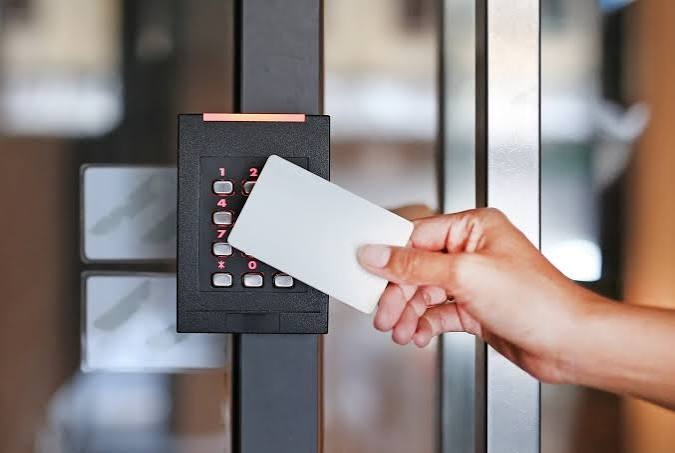
A typical system includes an access reader, electronic locking mechanism, controller, credentials, and management software.
When a person presents an authorized credential, the system verifies the information and releases the door lock.
If the credential isn't authorized, access can be denied.
This provides businesses with greater control over their premises than a conventional key-and-lock arrangement.
Why Are Access Control Systems Useful in Dubai?
Dubai has a wide range of commercial and residential properties, from small offices to large multi-floor buildings and industrial facilities.
Different areas within the same property may have different security requirements.
For example, employees may need access to general office areas, while only certain staff should enter server rooms, finance departments, storage areas, or management offices.
An access control system makes it possible to assign permissions based on the individual's role.
This means security doesn't necessarily have to depend on giving everyone the same physical key.
RFID and Access Cards Provide Convenient Entry
One of the most common access methods is the RFID or proximity card.
Employees receive assigned credentials and present them to a reader when entering a controlled area.
If the credential is valid, the door unlocks.
If an employee leaves the company, their access can be disabled without changing the physical lock.
This can make access administration considerably easier for businesses with a changing workforce.
Biometric Access Adds Identity Verification
Some organizations require stronger identity verification.
Biometric access control can use fingerprints, facial recognition, or other biometric characteristics to authenticate users.
Because the credential is associated with the individual rather than simply a physical card, biometric systems can reduce certain risks associated with lost or shared access cards.
However, biometric deployments require careful consideration of privacy, data protection, security, and applicable legal requirements.
They should be implemented using appropriate hardware and data-management practices.
PIN and Mobile Access Offer Other Options
Cards and biometrics aren't the only choices.
PIN-based access can be suitable for certain doors and smaller facilities. Some modern systems can also support mobile credentials, allowing authorized users to interact with an access reader using a compatible smartphone.
The appropriate method depends on the property.
A company may even use different authentication methods for different areas based on their security requirements.
Access Levels Can Be Customized
One of the biggest advantages of electronic access control is the ability to assign different permissions.
For example, a new employee may receive access to the main entrance and their department, while a senior administrator may have access to additional areas.
A contractor can be given temporary access without receiving permanent credentials.
These permissions can also be changed as responsibilities change.
This flexibility is difficult to achieve with traditional keys.
Visitor Management Can Improve Entrance Control
Visitors create a different access challenge.
A company may not want every visitor to have unrestricted access to the building.
An access control system can be combined with reception procedures, intercoms, visitor management software, or temporary credentials to create a more controlled process.
For example, a visitor may be authorized for a particular area or period rather than being given general access throughout the building.
This can improve both security and convenience.
Access Control and CCTV Work Better Together
Access control determines whether someone can enter.
CCTV provides visual information about what happens around the entrance.
When the two systems are integrated, security teams can have a clearer picture of access events.
For example, if an unusual entry event occurs, administrators may be able to review relevant camera footage alongside the access record.
This combination can be especially useful for offices, warehouses, residential communities, and other properties where security monitoring is important.
Access Records Can Help With Investigations
Electronic systems can maintain records of access events depending on their configuration.
Administrators may be able to review information such as which credential was used and when access occurred.
This can provide a useful audit trail for certain security and operational investigations.
Access logs should, however, be handled carefully. Only authorized personnel should have access to sensitive records, and businesses should establish appropriate retention and security practices.
Emergency Exit Requirements Must Be Considered
Security should never prevent people from exiting safely during an emergency.
Access control systems therefore need to be designed with appropriate emergency-release mechanisms and life-safety requirements in mind.
The exact configuration depends on the building, door type, occupancy, fire-safety design, and applicable regulations.
This is one reason professional design and installation are preferable to simply purchasing an electronic lock and installing it without considering the wider building system.
Professional Installation Is Important
A door access system involves more than the reader mounted beside the door.
The installer may need to configure controllers, locks, exit devices, power supplies, networking, software, credentials, and integration with other security systems.
The physical door and frame also need to be suitable for the selected locking mechanism.
Poor installation can result in unreliable access, damaged equipment, or unnecessary security weaknesses.
A site assessment before installation can help identify these issues.
What Should Businesses Consider Before Choosing a System?
Businesses should consider several factors before selecting an access control solution:
- Number of doors
- Number of users
- Required access methods
- Security level of each area
- Visitor requirements
- Working schedules
- Integration with CCTV
- Integration with attendance systems
- Future expansion
- Backup power requirements
- Administration and reporting needs
A small office may need a relatively simple system, while a large commercial building may require centralized management across multiple entrances and floors.
Maintenance Keeps Access Control Reliable
Access systems are used frequently, so maintenance should not be ignored.
Readers, locks, door sensors, controllers, power supplies, and network components can develop problems over time.
Regular inspection and preventive maintenance can help identify issues before they cause an access failure.
For critical entrances, having technical support available can also reduce disruption if equipment stops working unexpectedly.
Conclusion
Physical security is becoming more sophisticated as businesses look for better ways to control access without creating unnecessary inconvenience for employees and visitors.
A professionally designed door access control system dubai solution can provide flexible permissions, electronic credentials, access records, visitor controls, and integration with technologies such as CCTV and attendance systems.
The right system depends on the property's layout, security requirements, number of users, and future plans.
Rather than choosing equipment based only on price, businesses should consider the complete access-control process—from authentication and door hardware to administration, emergency requirements, data security, and ongoing maintenance.

About Premium Author
This post has been authored and published by one of our premium contributors, who are experts in their fields. They bring high-quality, well-researched content that adds significant value to our platform.

Popular Categories
Stay Connected
Recent Posts