Drone Fishing Guide: Tips, Gear & Techniques for Success
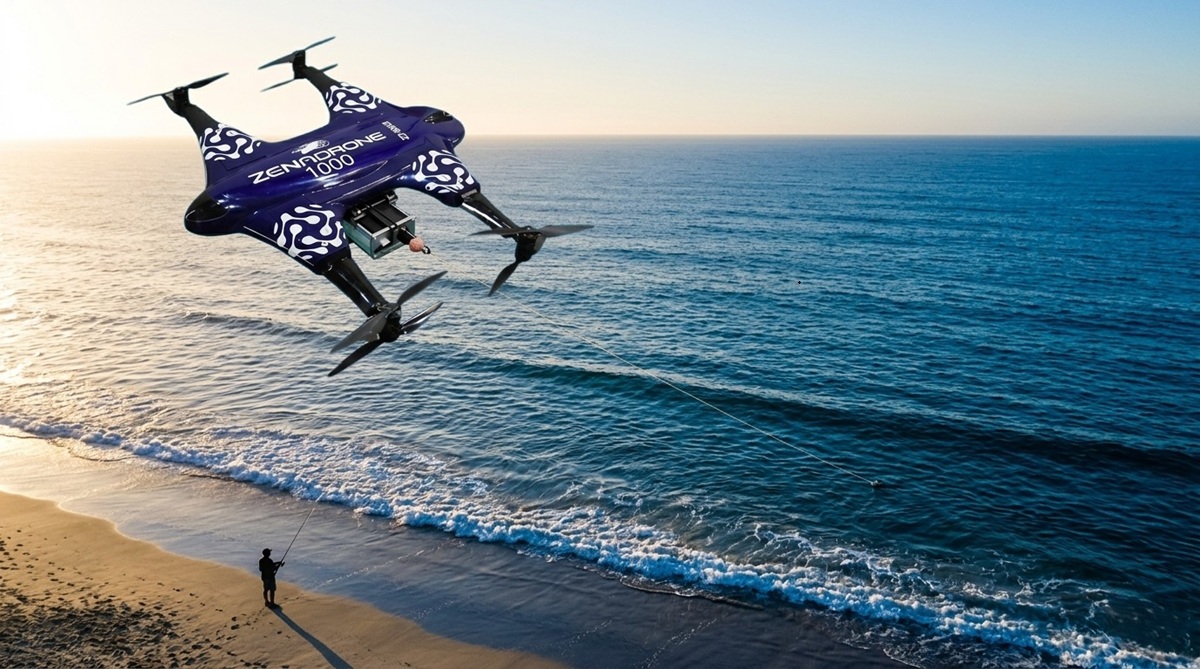
Drone fishing has transformed the way anglers reach distant fishing spots without needing a boat or kayak. By combining modern drone technology with traditional fishing methods, fishermen can place bait hundreds of meters offshore, increasing their chances of landing larger fish.
This Drone Fishing Guide covers everything you need to know, from choosing the right equipment to mastering advanced deployment methods. Whether you're interested in Drone Fishing for Beginners or looking to improve your existing skills, this guide will help you fish smarter, safer, and more effectively.
As drone technology becomes more affordable and reliable, thousands of anglers worldwide are adopting this exciting approach to surf and offshore fishing. Let's explore how it works and how you can get started.
What Is Drone Fishing and How Does It Work?
Drone fishing involves using a drone to carry a fishing line and bait to a specific location over the water. Once the drone reaches the target area, the bait is released using a specialized release mechanism.
Basic Process
- Attach your fishing line to a bait release system.
- Secure the bait and hook.
- Fly the drone to the desired location.
- Release the bait.
- Return the drone safely to shore.
- Wait for a strike and fight the fish using traditional fishing techniques.
Unlike casting from shore, drone fishing allows anglers to reach areas that may be 300–800 meters away, depending on local regulations and drone capabilities.
Why Anglers Use Drones
- Reach deeper water quickly
- Access difficult fishing spots
- Reduce physical strain from long casting
- Improve bait placement accuracy
- Target larger offshore species
Many experienced anglers report increased catch rates when using drones to place bait in productive feeding zones.
Choosing the Best Fishing Drones
Not every drone is suitable for fishing. The Best Fishing Drones are specifically designed to carry payloads and operate safely in coastal environments.
Key Features to Look For
Payload Capacity
The drone must carry:
- Fishing line
- Hook
- Sinker
- Bait
A minimum payload capacity of 500–1000 grams is recommended for most fishing situations.
Flight Time
Longer flight times allow greater range and safer operation.
Look for:
- 25–40 minutes of flight time
- Smart battery monitoring
- Return-to-home functionality
GPS Stability
GPS-assisted hovering helps maintain accurate bait placement even in windy conditions.
Wind Resistance
Coastal winds can be unpredictable. A fishing drone should handle moderate winds without losing stability.
Popular Drone Categories
- Entry-level fishing drones
- Mid-range payload drones
- Professional offshore fishing drones
The right choice depends on your fishing goals, experience level, and budget.
Understanding Fishing Drone with Bait Release Systems
A Fishing Drone with Bait Release functionality is essential for successful drone fishing.
Without a release mechanism, the drone cannot safely deploy bait at the target location.
Types of Bait Release Systems
Mechanical Release
Uses a simple trigger mechanism.
Advantages:
- Affordable
- Easy to maintain
- Reliable
Electronic Release
Controlled remotely from the transmitter.
Advantages:
- More precise
- Easy deployment
- Better for long-distance fishing
Tips for Effective Bait Release
- Test the release system before every trip.
- Ensure the fishing line is not tangled.
- Avoid overloading the drone.
- Practice releasing bait on land first.
Many beginners underestimate the importance of the release system, but it often determines the success of the entire fishing session.
Why a Waterproof Fishing Drone Matters
Saltwater and electronics rarely mix well. That's why a Waterproof Fishing Drone can provide significant advantages.
Benefits of Waterproof Designs
Protection from Splashing
Waves, rain, and sea spray can damage standard drones.
A waterproof model offers:
- Better durability
- Increased reliability
- Longer lifespan
Safer Water Landings
Some fishing drones are designed to float if they land on water accidentally.
This feature can save thousands of dollars in equipment replacement costs.
Easier Maintenance
Water-resistant components are generally easier to clean after fishing trips.
Is Waterproofing Necessary?
Not always.
However, if you frequently fish from beaches, rocks, or boats, investing in a waterproof fishing drone can significantly reduce risk.
Drone Fishing for Beginners: Getting Started Safely
Many newcomers jump into drone fishing without proper preparation. Following a structured approach can save time, money, and frustration.
Learn Drone Basics First
Before attaching fishing gear:
- Practice takeoffs and landings
- Learn emergency procedures
- Understand return-to-home functions
- Fly in open areas
Start Small
Use lightweight bait and simple rigs while learning.
This helps:
- Reduce stress on the drone
- Improve flight control
- Minimize equipment damage
Check Local Regulations
Drone laws vary by region.
Always verify:
- Maximum flight altitude
- Restricted areas
- Beach regulations
- Fishing permits
Essential Beginner Equipment
- Fishing drone
- Bait release mechanism
- Heavy-duty fishing rod
- Braided fishing line
- Spare batteries
- Landing pad
Patience is critical. Most successful drone anglers spend several practice sessions learning equipment management before targeting large fish.
Proven Drone Fishing Techniques for Better Results
Successful anglers rely on specific Drone Fishing Techniques to maximize their catch rates.
Target Structure
Fish often gather around:
- Sandbars
- Reefs
- Drop-offs
- Weed beds
Use maps and fish-finding tools to identify productive locations.
Match Bait to Species
Different species prefer different bait.
Examples:
| Fish Species | Common Bait |
| Kingfish | Live baitfish |
| Snapper | Squid |
| Shark | Fresh fish chunks |
| Tuna | Small baitfish |
Deploy Beyond the Breakers
One major advantage of drone fishing is reaching water beyond surf zones where larger fish frequently feed.
Monitor Weather Conditions
Ideal conditions include:
- Low wind
- Calm surf
- Good visibility
Avoid flying during:
- Storms
- Heavy rain
- Strong offshore winds
Use Accurate Drop Zones
Experienced anglers often create GPS waypoints to repeatedly place bait in productive areas.
Consistent bait placement often produces better long-term results than random drops.
Common Drone Fishing Mistakes to Avoid
Even experienced anglers make mistakes that can lead to lost drones or missed fish.
Overloading the Drone
Exceeding payload limits can cause:
- Reduced flight time
- Poor stability
- Drone crashes
Ignoring Battery Levels
Always leave enough battery power for a safe return flight.
A common rule is:
- Deploy bait before battery reaches 70%
- Return immediately if battery drops below 30%
Flying in Strong Wind
Wind can dramatically affect:
- Flight accuracy
- Battery consumption
- Safety
Poor Line Management
Loose fishing line can become tangled in propellers.
Before every flight:
- Check line tension
- Verify hook placement
- Inspect release connections
Avoiding these mistakes can dramatically improve your success rate and protect your investment.
Frequently Asked Questions
What is the best drone for fishing?
The best fishing drone is one with strong payload capacity, GPS stabilization, long battery life, and a reliable bait release system. The ideal model depends on your fishing style and budget.
How far can a fishing drone carry bait?
Many fishing drones can carry bait between 300 and 800 meters offshore. Actual distance depends on battery life, payload weight, weather conditions, and local regulations.
Do I need a waterproof fishing drone?
A waterproof fishing drone is not mandatory, but it offers added protection against sea spray, rain, and accidental water landings, making it a valuable option for coastal anglers.
Is drone fishing legal?
Drone fishing legality varies by country, state, and local jurisdiction. Always check drone regulations and fishing laws before operating.
Can beginners learn drone fishing easily?
Yes. With proper training, safe flying practices, and basic equipment, most anglers can learn drone fishing within a few outings.
Conclusion
Drone fishing continues to grow in popularity because it offers anglers unprecedented access to distant fishing grounds and precise bait placement. By selecting the right equipment, understanding bait release systems, practicing safe operation, and applying proven strategies, you can significantly improve your results on the water.
Whether you're exploring Drone Fishing for Beginners, researching the Best Fishing Drones, considering a Fishing Drone with Bait Release, investing in a Waterproof Fishing Drone, or refining advanced Drone Fishing Techniques, this comprehensive Drone Fishing Guide provides the foundation needed for successful and responsible fishing adventures.

About Premium Author
This post has been authored and published by one of our premium contributors, who are experts in their fields. They bring high-quality, well-researched content that adds significant value to our platform.


Popular Categories
Stay Connected
Recent Posts