How Much Diesel Does a Generator Use? Fuel Consumption Explained
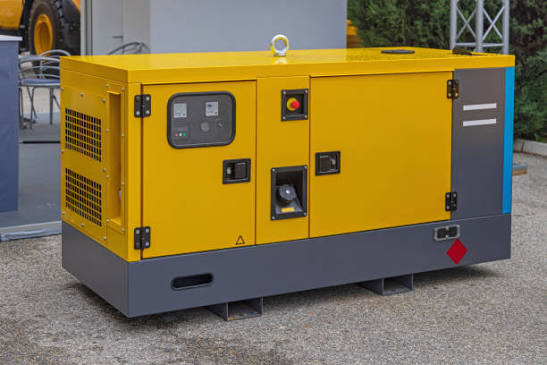
Fuel is one of the largest ongoing costs of running a diesel generator. Over the life of a long project, it can easily exceed the cost of hiring or even buying the generator itself. It also determines how often the generator must be refuelled, how much fuel must be stored on site and how long the unit can keep running during an emergency.
Despite this, many people plan fuel with little more than a guess. The result is either unexpected costs, generators running out of fuel at the worst possible moment or excessive fuel sitting unused in tanks.
The good news is that diesel consumption follows predictable patterns. Once you understand the factors that affect it, you can estimate fuel use with reasonable accuracy, plan deliveries with confidence and take practical steps to reduce consumption. This guide explains how.
What Determines How Much Diesel a Generator Uses?
Load. The single biggest factor is how much power the generator is actually producing, not its rated size. A generator running at 25 percent of its capacity uses far less fuel per hour than one running at 100 percent. Consumption rises roughly in line with the electrical load.
Generator size. Larger generators use more fuel in absolute terms, even at the same percentage load, because they are producing more power.
Efficiency at different loads. Diesel engines are most efficient at moderate to high loads, typically between 60 and 80 percent of rated capacity. At very light loads, they still burn a significant amount of fuel just to keep running, so the fuel used per kilowatt-hour produced increases. This is why an oversized generator running lightly loaded wastes fuel.
Engine design and age. Modern engines with electronic fuel injection are generally more efficient than older mechanical designs. Poorly maintained engines, with dirty filters, worn injectors or incorrect settings, burn more fuel.
Operating conditions. High ambient temperatures, dust and altitude can reduce engine efficiency. In hot climates, generators may also work harder to power cooling loads, increasing overall fuel use.
Load profile. A steady load is easier to plan for than a variable one. Frequent starts of large motors, such as air conditioners and pumps, create peaks that increase consumption.
A Simple Formula for Estimating Consumption
A practical rule of thumb for modern diesel generators is:
Fuel consumption (litres per hour) ≈ Actual load (kW) × 0.25 to 0.30
The lower figure applies to efficient, well-loaded generators running at 60 to 80 percent of capacity. The higher figure is more realistic for lightly loaded units, older engines or demanding conditions.
The key is to use the actual load, not the generator's rating. A 100 kVA generator does not use fuel as a 100 kVA machine unless it is producing that much power. Remember also that generators are usually rated in kVA, while fuel calculations are based on kW. For most generators, kW = kVA × 0.8, so a 100 kVA generator has a rated output of about 80 kW.
Typical Fuel Consumption by Generator Size
The following table shows approximate diesel consumption at 75 percent load for common generator sizes. Actual figures vary by manufacturer and model, so always check the specification sheet for the unit you intend to use.
| Generator size (kVA) | Rated output (kW) | Load at 75% (kW) | Approx. fuel use (litres per hour) |
|---|---|---|---|
| 20 | 16 | 12 | 3.5 to 4 |
| 60 | 48 | 36 | 9.5 to 10.5 |
| 100 | 80 | 60 | 15 to 17 |
| 250 | 200 | 150 | 37 to 40 |
| 500 | 400 | 300 | 72 to 80 |
| 1,000 | 800 | 600 | 145 to 160 |
How Load Changes Consumption
To see how strongly load affects fuel use, consider a typical 100 kVA generator at different load levels:
| Load | Output (kW) | Approx. fuel use (litres per hour) |
|---|---|---|
| 25% | 20 | 6 to 7 |
| 50% | 40 | 10.5 to 11.5 |
| 75% | 60 | 15 to 17 |
| 100% | 80 | 20 to 22 |
Notice that at 25 percent load, the generator uses about one third of the fuel it uses at full load, but produces only one quarter of the power. It is less efficient per unit of electricity. This is why correct sizing matters for fuel economy.
A Worked Example
Imagine a two-day outdoor event powered by a 100 kVA generator. The expected load averages 40 kW, or about 50 percent, and the generator will run for 14 hours each day, including setup and breakdown.
Hourly consumption: 40 kW × 0.27 = about 10.8 litres per hour.
Daily consumption: 10.8 × 14 hours = about 151 litres.
Total for two days: 151 × 2 = about 302 litres.
Add a reserve: Adding 15 to 20 percent for unexpected loads, extended hours and a safe margin gives a total of around 350 to 365 litres.
With this figure, the organiser can decide whether the generator's built-in tank is large enough, whether to add an external fuel tank or how many refuelling visits to schedule.
Estimating Runtime From Tank Size
You can also reverse the calculation to find how long a generator will run on a full tank:
Runtime (hours) = Usable tank capacity (litres) ÷ Fuel consumption (litres per hour)
For example, a generator with a 250-litre tank consuming 15 litres per hour will run for about 16 hours before it needs refuelling. It is good practice to plan refuelling well before the tank runs low, since running a diesel engine dry can introduce air into the fuel system and cause a difficult restart.
How to Reduce Diesel Consumption
Size the generator correctly. A generator that runs at 60 to 80 percent of its capacity is far more economical than an oversized unit running at 20 percent. Accurate load calculations are the foundation of fuel efficiency.
Use multiple smaller generators. On sites where the load varies significantly, two or more synchronised generators can share the load. During quiet periods, one unit can be switched off, allowing the remaining generator to run at a more efficient load.
Consider hybrid systems. Pairing a generator with battery storage allows the batteries to supply light loads, such as overnight lighting or security systems, while the generator runs only when needed. This can reduce fuel use and running hours substantially.
Switch off unnecessary loads. Turn off lights, heaters, cooling and equipment that are not in use, especially overnight and during breaks.
Stagger motor start-ups. Starting large motors one at a time reduces peak demand and helps the generator run more smoothly.
Maintain the engine. Clean air and fuel filters, correctly functioning injectors and regular servicing keep fuel consumption close to the manufacturer's specification.
Use good-quality fuel. Contaminated or degraded diesel reduces efficiency and can damage engine components. Store fuel correctly and use reputable suppliers.
Planning Fuel for Your Project
Good fuel planning goes beyond estimating consumption. Consider the following points:
- Tank capacity and runtime. Check how long the generator can run on its internal tank at the expected load.
- External fuel tanks. For long events, construction projects and standby applications, external bunded tanks extend runtime and reduce refuelling visits.
- Refuelling schedules. Agree delivery times that avoid peak activity, such as guest arrival at events or busy periods on site.
- Safe storage. Use bunded tanks to contain spills, keep fuel away from ignition sources and follow local regulations.
- Monitoring. Many modern generators and fuel tanks offer remote fuel-level monitoring, which helps prevent unexpected shortages.
- Renewable diesel. Some generators can run on hydrotreated vegetable oil (HVO), which can significantly reduce lifecycle carbon emissions. Check compatibility with the manufacturer or supplier.
Final Thoughts
Diesel consumption depends mainly on the actual load a generator carries, not simply on its size. As a practical guide, multiply the load in kilowatts by 0.25 to 0.30 to estimate litres per hour, then multiply by the operating hours and add a reserve for safety.
By sizing generators correctly, avoiding long periods of light loading, maintaining engines and planning fuel storage and deliveries in advance, you can reduce costs and avoid the risk of running out of power. If you are unsure about your load or fuel requirements, an experienced generator rental company can review your equipment list, recommend an efficient setup and help you plan fuel supply for the full duration of your project.

About Premium Author
This post has been authored and published by one of our premium contributors, who are experts in their fields. They bring high-quality, well-researched content that adds significant value to our platform.
Popular Categories
Stay Connected
Recent Posts